Critical DoS Vulnerability in Python-ECDSA Library Threatens Cryptographic Operations
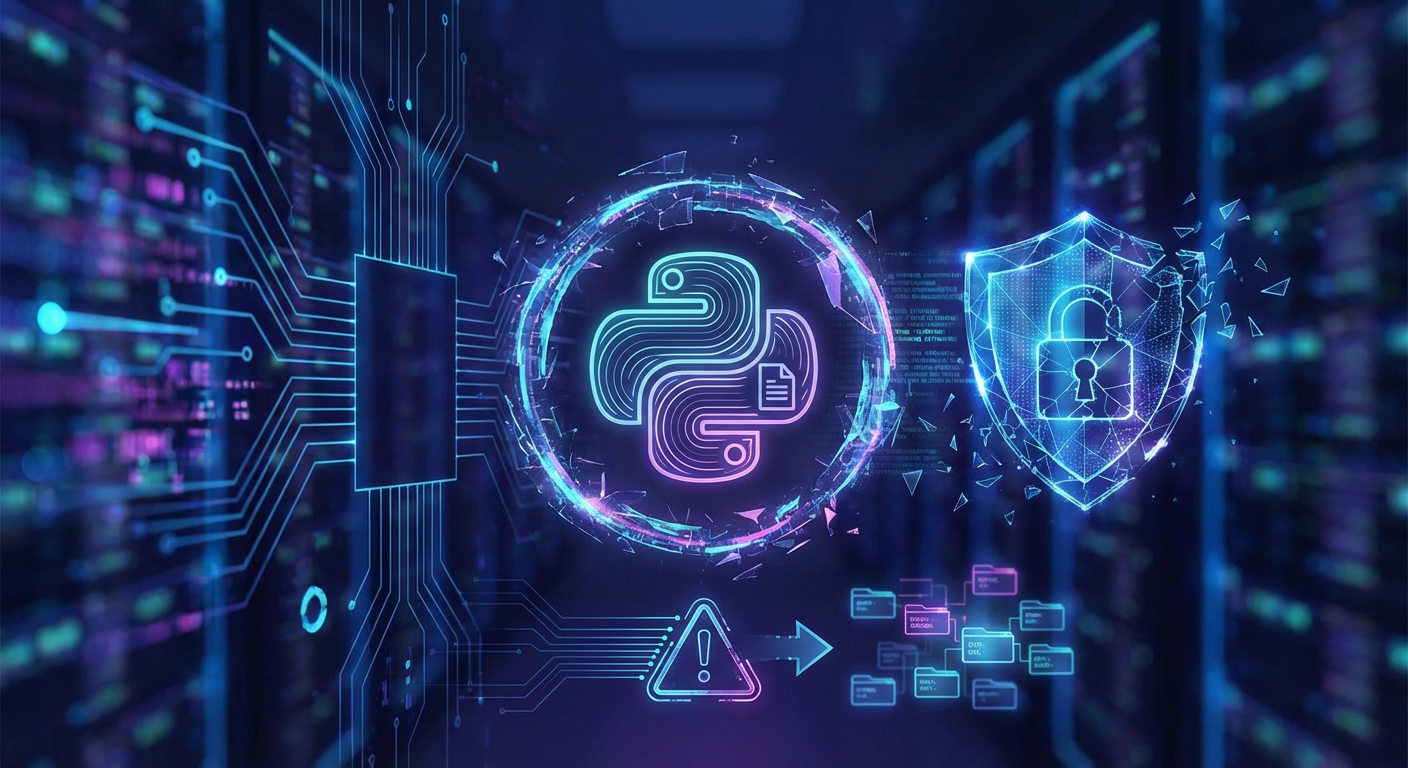
A severe denial-of-service vulnerability has been discovered in the widely-used python-ecdsa cryptographic library. The flaw allows attackers to crash applications by exploiting improper DER length validation in crafted private keys.
A critical vulnerability (CVE-2026-33936) has been identified in the python-ecdsa library, which is widely used for implementing elliptic curve cryptography in Python applications. The vulnerability stems from improper validation of DER length fields in private keys, allowing malicious actors to trigger denial-of-service conditions through specially crafted private key inputs.
The impact is particularly concerning given the widespread use of python-ecdsa in cryptocurrency wallets, digital signature systems, and various security-focused applications. With the current boom in AI-driven development potentially introducing more cryptographic implementations, the risk of this vulnerability being unknowingly incorporated into new applications is significantly elevated.
Key Findings
A critical vulnerability (CVE-2026-33936) has been identified in the python-ecdsa library, which is widely used for implementing elliptic curve cryptography in Python applications
The vulnerability stems from improper validation of DER length fields in private keys, allowing malicious actors to trigger denial-of-service conditions through specially crafted private key inputs
The impact is particularly concerning given the widespread use of python-ecdsa in cryptocurrency wallets, digital signature systems, and various security-focused applications
With the current boom in AI-driven development potentially introducing more cryptographic implementations, the risk of this vulnerability being unknowingly incorporated into new applications is significantly elevated
Overview
CVE-2026-33936 represents a significant security flaw in the python-ecdsa library that could allow attackers to cause denial-of-service conditions in affected applications. The vulnerability exists in the library's handling of DER-encoded private keys, where insufficient validation of length fields can lead to application crashes.
Technical Analysis
The vulnerability specifically involves:
Improper validation of DER (Distinguished Encoding Rules) length fields in private key processing
Potential for buffer overflow conditions when processing malformed private keys
Risk of application crashes during cryptographic operations
Attack Vector
Attackers can exploit this vulnerability by:
Crafting malicious private keys with invalid DER length fields
Submitting these keys to applications that use python-ecdsa for cryptographic operations
Triggering processing failures that result in application crashes
Impact Assessment
The vulnerability affects multiple sectors and applications:
Cryptocurrency platforms and wallets
Digital signature verification systems
Authentication services
PKI infrastructure components
Recommendations
Security teams should:
Immediately audit applications for python-ecdsa usage
Implement input validation for all private key operations
Deploy application-level monitoring for unexpected crashes
Prepare for patching once an update is available
Consider implementing rate limiting for cryptographic operations
Indicators of Compromise
Unexpected application crashes during private key operations
A recent hack of an implantable orthopedic device maker has significant implications for the healthcare and medical device sectors. The breach highlights the vulnerability of connected medical devices to cyber threats. As of April 1, 2026, the incident is under investigation.
A critical out-of-bounds read vulnerability in Citrix NetScaler systems poses significant risks to enterprise infrastructure. The vulnerability affects ADC and Gateway appliances, potentially enabling unauthorized access and system compromise.
A critical vulnerability (CVE-2026-25645) has been identified in the Python Requests library's extract_zipped_paths() utility function, enabling potential arbitrary file writes through insecure temporary file handling. This vulnerability affects applications using the Requests library for handling zipped file paths.
Iranian state-sponsored threat actors have successfully compromised FBI Director Kash Patel's personal Gmail account. This incident highlights ongoing nation-state targeting of high-ranking U.S. government officials and the critical importance of securing personal communication channels.
🔐
Stay Briefed
Get daily cybersecurity threat intelligence delivered to your inbox. No spam, just actionable intel.